Introduction
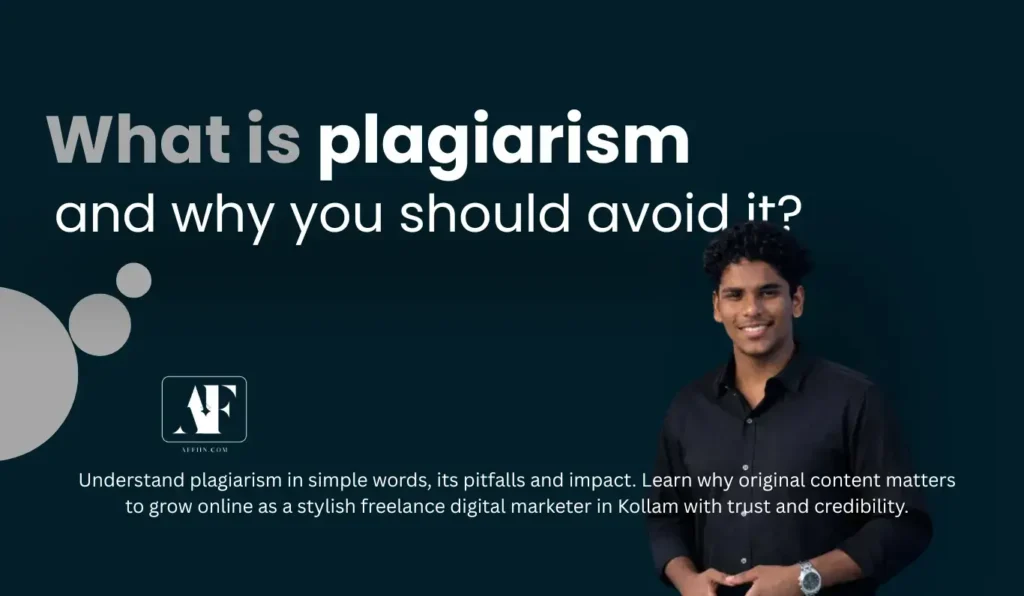
In today’s digital world, information is available everywhere. Whether you’re writing a blog, creating social media content, designing a website, or publishing videos, originality plays a key role in building trust and credibility.
Many people unknowingly copy content from the internet without realizing the consequences. This practice is known as plagiarism. While it may seem like a quick solution, it can damage your reputation, affect your search engine rankings, and limit your personal growth.
Understanding plagiarism and learning how to avoid it is essential for students, professionals, content creators, and digital marketers who want to build a strong and trustworthy online presence.
Table of Contents
- What Is Plagiarism?
- Common Types of Plagiarism
- Why Do People Plagiarize?
- Disadvantages of Plagiarism
- Why Original Content Matters
- How to Avoid Plagiarism
- Frequently Asked Questions
- Conclusion
What Is Plagiarism?
Plagiarism is the act of using someone else’s words, ideas, research, images, or creative work without giving proper credit to the original creator. In simple terms, it means presenting another person’s work as your own.
Plagiarism can occur intentionally or accidentally, but both can have negative consequences. Whether you copy an entire article or use someone else’s ideas without acknowledgment, it is still considered plagiarism.
Common Types of Plagiarism
1. Direct Plagiarism
Copying content word for word from a source without mentioning the original author.
2. Paraphrasing Plagiarism
Changing a few words or sentence structures while keeping the original idea and presenting it as your own.
3. Self-Plagiarism
Reusing your previously published content without updating it or providing additional value.
4. Image and Design Plagiarism
Using images, graphics, videos, or designs without permission or proper attribution.
5. Accidental Plagiarism
Failing to cite sources correctly or unintentionally using someone else’s work without credit.
Why Do People Plagiarize?
There are several reasons why people choose to copy content:
- To save time
- Lack of research skills
- Difficulty creating original content
- Pressure to meet deadlines
- Limited knowledge of copyright and citation practices
Although plagiarism may appear convenient in the short term, it often leads to greater problems in the future.
Disadvantages of Plagiarism
Plagiarism can have serious consequences for individuals and businesses.
Loss of Credibility
When people discover copied content, they may lose trust in your work and expertise.
Legal Issues
Using copyrighted content without permission can result in legal action and financial penalties.
Poor Search Engine Rankings
Search engines prioritize original and valuable content. Duplicate content may struggle to rank well in search results.
Limited Skill Development
Copying content prevents you from improving your writing, creativity, and communication skills.
Damage to Brand Reputation
A brand built on copied content can quickly lose its professional image and audience loyalty.
Reduced Audience Engagement
Readers are more likely to engage with authentic content that provides unique insights and value.
Why Original Content Matters
Creating original content offers long-term benefits that help you grow personally and professionally.
Builds Trust
Authentic content helps establish credibility and strengthens relationships with your audience.
Improves SEO Performance
Search engines reward websites that consistently publish unique and valuable content.
Encourages Creativity
Writing your own content helps develop new ideas, perspectives, and problem-solving abilities.
Attracts Quality Clients
People are more likely to work with professionals who demonstrate expertise through original content.
Creates a Unique Brand Identity
Your voice, experience, and perspective help you stand out from competitors.
How to Avoid Plagiarism
Avoiding plagiarism is easier than many people think.
Write in Your Own Words
Understand the topic thoroughly and explain it using your own style and language.
Credit Your Sources
Whenever you use facts, statistics, quotes, or ideas from another source, provide proper attribution.
Use Plagiarism Detection Tools
Check your content with plagiarism-checking software before publishing.
Keep Track of References
Maintain a list of sources while researching to ensure proper citation later.
Add Personal Insights
Include your own experiences, examples, and opinions to make the content more original and valuable.
Frequently Asked Questions
Is plagiarism a serious issue?
Yes. Plagiarism can damage your reputation, affect your career, and even lead to legal consequences.
Can I use information from the internet?
Yes. You can use information for research and inspiration, but you should avoid copying content directly and always provide credit where necessary.
How can I make my content unique?
Focus on sharing your own perspective, experiences, and understanding of the topic instead of repeating what others have already written.
Does plagiarism affect SEO?
Yes. Search engines prefer original content and may reduce the visibility of websites that publish duplicate or copied material.
Conclusion
Plagiarism may seem like an easy shortcut, but it can create long-term problems for your reputation, growth, and credibility. Original content requires effort, but it helps build trust, improve visibility, and establish a strong personal or business brand.
Whether you are a student, blogger, entrepreneur, or digital marketer, creating authentic content is one of the best investments you can make in your future success.
If you’re looking for professional content creation or digital marketing support, feel free to get in touch. Together, we can create meaningful, original content that delivers real value to your audience.